

Spine
Common Causes of Spinal Injuries
Spinal injuries can affect movement, sensation, strength, and overall quality of life. Wisconsin Medical Group treats spinal injuries throughout Milwaukee and Southeast Wisconsin.
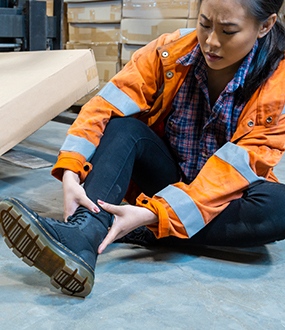
Workplace Spinal Injuries
Falls, lifting accidents, repetitive strain, and heavy labor commonly contribute to spinal injuries on the job. See a doctor for proper documentation for workers’ compensation if you have been injured at work.
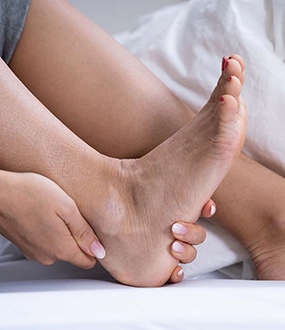
Personal Injury Spinal Trauma
Spinal injuries frequently result from slip and falls, sports injuries, and traumatic accidents.
Complete vs. Incomplete Spinal Cord Injury
There are two classifications for spinal injuries depending on where the injury occurred.
Complete Spinal Cord Injury
A complete spinal cord injury is an injury that results in all sensory and motor functions being entirely lost beneath the spinal cord injury. This would result in paralysis and loss of any feeling in nerves below the point of injury.
Incomplete Spinal Cord Injury
An incomplete spinal cord injury allows some motor or sensory function from the point that the injury resulted. There are several different degrees of an incomplete injury and vary by severity of the injury.
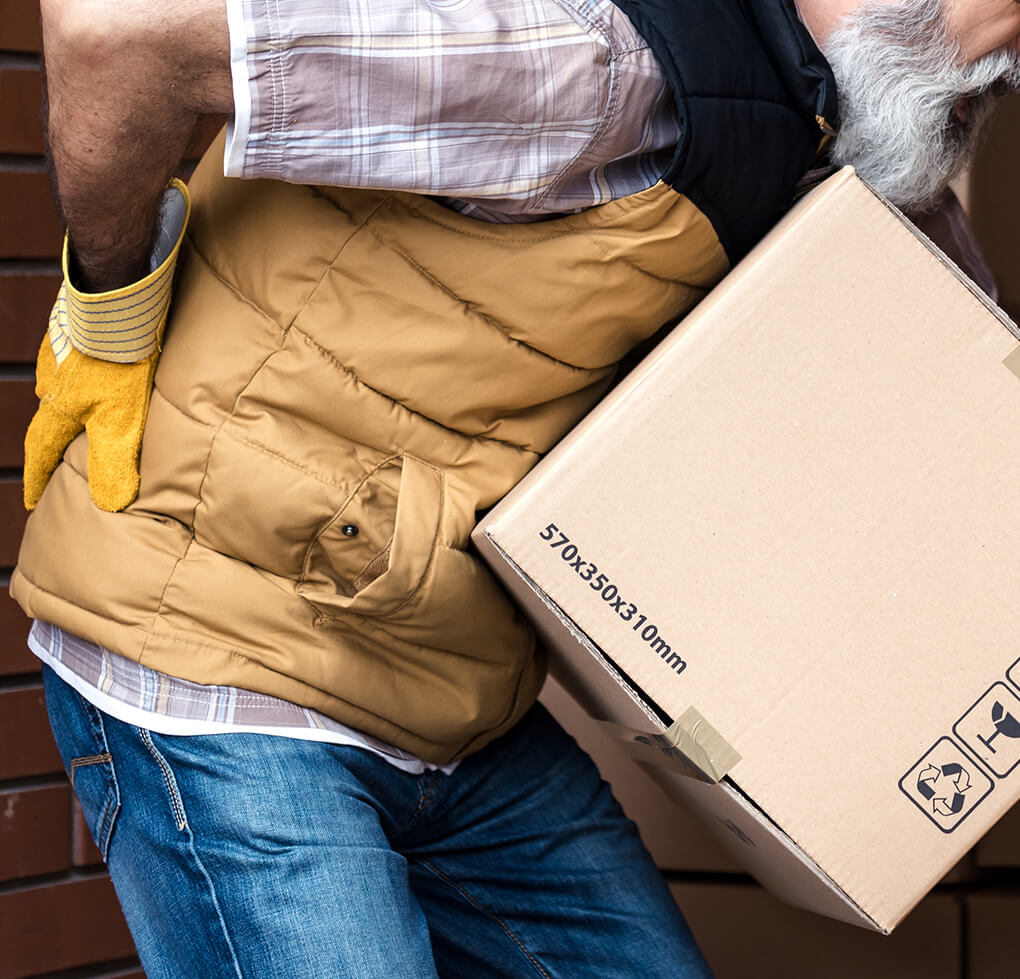
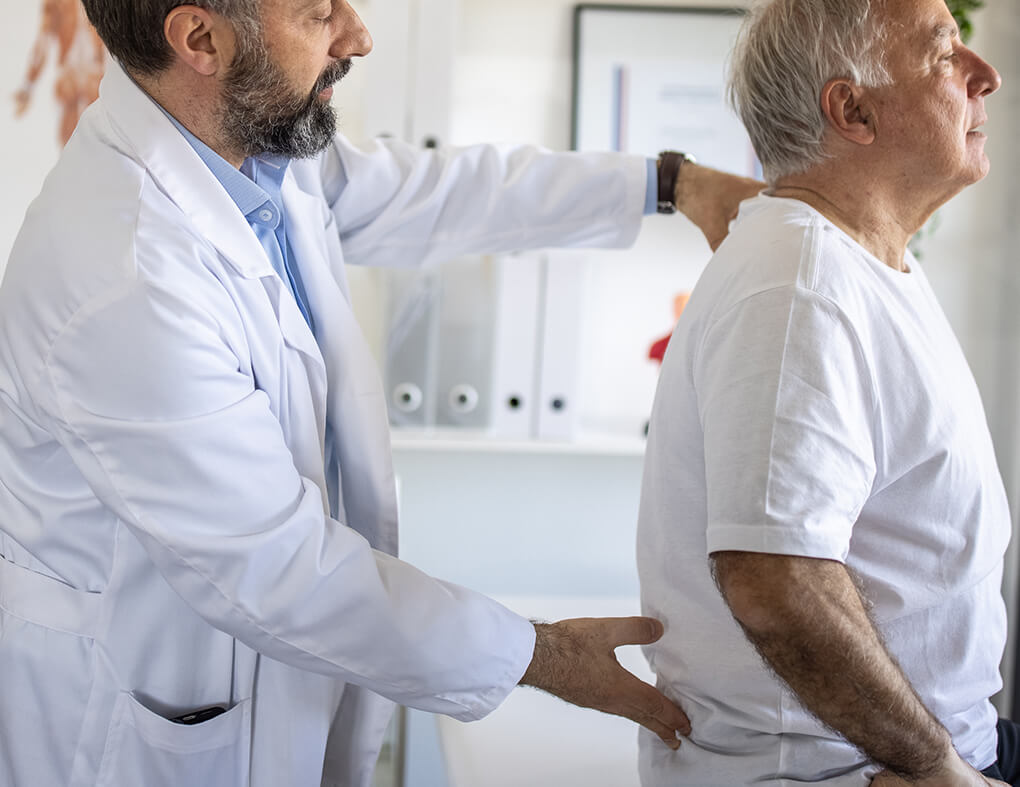
Quadriplegia vs. Paraplegia
Quadriplegia (also known as tetraplegia) is the loss or impairment of movement in the arms, hands, legs, and pelvic organs. Paraplegia is when a spinal cord injury affects the legs and sometimes the lower abdomen area. The affected area of your body is determined by the area of your spinal cord injury.
Common Types of Spinal Injuries We Treat in Milwaukee
One of the most common spinal injuries is a slipped/herniated disk. A herniated disk will cause sharp pain on one side of the body, usually in the leg, hip, or buttocks. There are many different other types of spinal injuries WMG treats including:
- Fractures
- Tumors
- Deformities
- Scoliosis
- Spinal Nerve Compression
Physical Therapy Treatment for Spinal Injuries
Spinal injuries can affect mobility, strength and quality of life if left untreated. Physical therapy treatment for spinal injuries focuses on pain relief, core stabilization and restoring proper movement patterns in the neck, mid-back or lower back. Our therapists create personalized treatment plans using targeted exercises, manual techniques and education to support healing and prevent re-injury. Physical therapy plays a key role in long-term spine health and functional recovery, strengthening your spine after any treatment you receive.
Physical Therapy at WMG

Spinal Injury Physician in Southeast Wisconsin
A spinal injury can worsen with time as swelling or bleeding develops around the spine. It is crucial that you seek medical assistance immediately. Treatment depends on how severe your injury is. A spine specialist's first focus on stabilizing your breathing and immobilizing your neck to prevent extra damage. Contact us as soon as possible to maximize your opportunity to heal.
Car Accident
Vehicle collisions can cause spinal fractures, disc injuries, nerve damage, and chronic back pain.
How Wisconsin Medical Group Helps Spinal Injury Patients
Our Milwaukee-area physicians evaluate spinal injuries and create individualized treatment and recovery plans.
Help Filing Injury Claims
We support workers’ compensation and personal injury cases with detailed injury documentation.
Schedule an Appointment
Prompt evaluation after a spinal injury is important to help reduce long-term complications.
 Schedule Appointment
Find a Spine Specialist in Southeast Wisconsin
Wisconsin Medical Group provides access to experienced spinal injury specialists throughout Southeast Wisconsin. Contact Wisconsin Medical Group for help in Milwaukee, Bay View, Glendale, Mount Pleasant or West Allis
Why is there numbness in parts of my body?
Numbness in parts of the body is a common symptom of a spinal injury. It's best to see a spine specialist to get an accurate diagnoses and prevent further damage.
What does a herniated/slipped disk feel like?
A herniated disk will cause sharp pain on one side of the body, usually in the leg, hip, or buttocks.